- Locations
- (352) 353-0092
- (352) 353-0416
- Email Us
- Text Us

A noninvasive therapy using high-energy magnetic pulses to support the body's natural repair response for musculoskeletal pain, inflammation, and slow-healing soft tissue conditions.
If you're dealing with a musculoskeletal condition, you're not alone. Musculoskeletal pain and inflammation are among the most common causes of both chronic and acute discomfort worldwide. Conditions such as back pain and osteoarthritis, as well as common sports-related issues like tendon and joint inflammation, can significantly limit daily activity and reduce overall quality of life.
Extracorporeal Magnetotransduction Therapy (EMTT) is a non-invasive therapy developed specifically to help address these concerns. Unlike traditional magnetic field therapies, EMTT uses a higher oscillation frequency and stronger magnetic field strength — often described as greater effective transduction power. These properties are thought to stimulate the body's natural repair response and support healing within affected tissues.

EMTT is a largely risk-free and side-effect-free method. The therapy loop is positioned over the area of pain while you remain fully clothed — direct skin contact is not necessary.
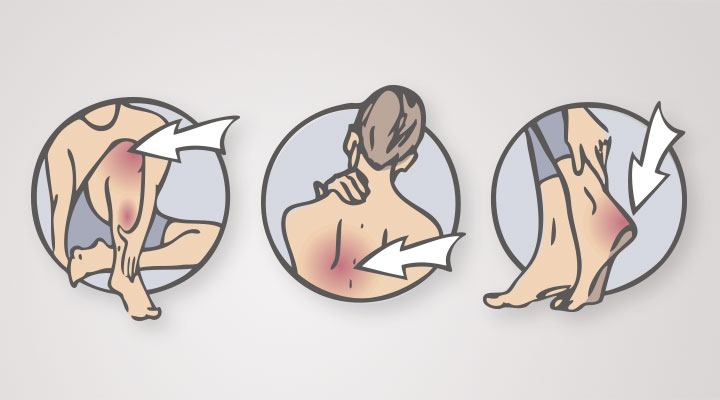
EMTT is a largely risk-free and side-effect-free method. As a patient, you will find the therapy very comfortable: The therapy loop is positioned over the area of pain while you remain fully clothed — direct skin contact is not necessary.
High-energy magnetic pulses are then transmitted to your body, where they take effect. A single treatment session lasts between 5 and 20 minutes, and between 6 and 8 sessions are required, depending on the severity of the condition and the response to the therapy.
EMTT treatment can have a positive effect on chemical reactions in pathologically altered cells. The cell metabolism can be reactivated and physiological processes can be normalised.

Wear and tear conditions such as
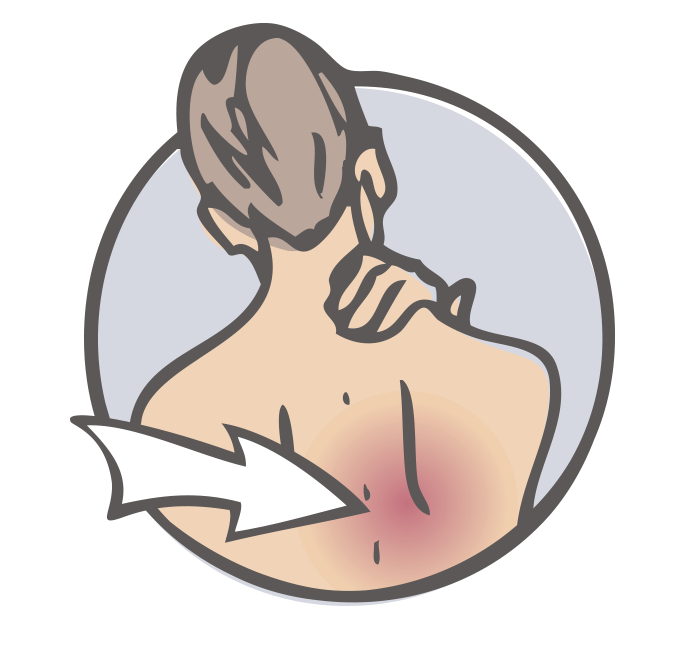
(Chronic) pain, including
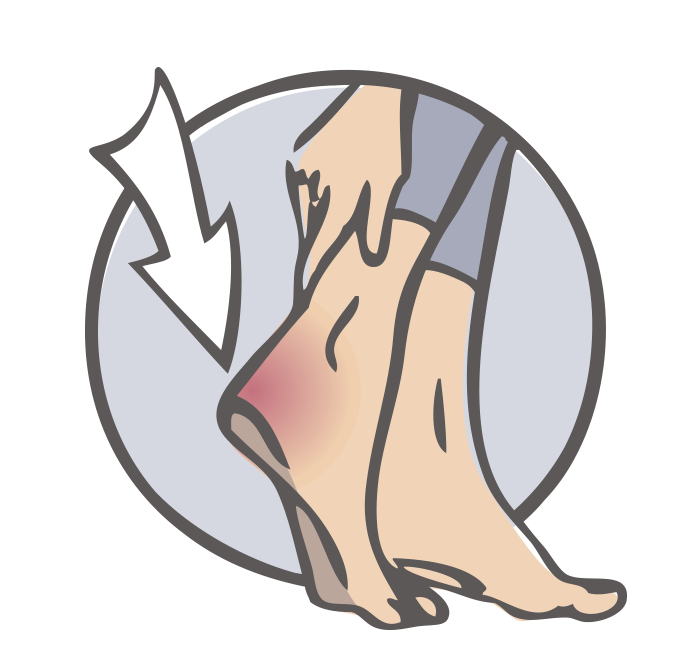
(Chronic) inflammation of