- Locations
- (352) 353-0092
- (352) 353-0416
- Email Us
- Text Us

An innovative, noninvasive method for pain treatment used across a broad range of musculoskeletal conditions — widely used in orthopedic and sports medicine care since the early 1990s.
Extracorporeal Shock Wave Therapy (ESWT), also known as Focused Shock Wave Therapy, is a non-invasive treatment used across a broad range of musculoskeletal conditions, especially those involving chronic pain, tendon irritation, muscle tightness, and slow-healing soft tissue injuries.
With decades of clinical experience, ESWT has been shown to help address certain problematic changes in tendons, ligaments, joint capsules, muscles, and bone, supporting the body's natural healing response. In addition to common issues like frozen shoulder, tennis elbow, and heel pain (plantar fasciitis), ESWT is also frequently used for Achilles tendinopathy, patellar tendinopathy (jumper's knee), calcific shoulder tendinitis, hip pain (greater trochanteric pain syndrome), and shin splints. It can also be helpful for certain types of muscle pain, including stubborn trigger-point–type discomfort and chronic tightness. In some patients, ESWT may also be used as part of a plan for back pain, particularly when symptoms are related to muscle strain, soft tissue irritation, or overuse.
During treatment, ESWT delivers short, high-energy sound pulses that travel effectively through water and soft tissue. The shock waves are generated outside the body in a handheld device and transferred into the treatment area using ultrasound gel, allowing targeted therapy to the painful region. ESWT is performed by trained professionals and is generally considered low-risk with minimal side effects. Treatments are done on an outpatient basis, so patients can typically return to their normal routine right afterward.
ESWT can help reduce pain by delivering focused sound waves into the affected tissue, which may decrease irritation and support a faster return to comfort and function.
Shock waves can stimulate local circulation, which helps bring oxygen and nutrients to the area and supports healthier tissue recovery.
By activating the body's natural repair response and improving local metabolism, ESWT can encourage damaged tissue to remodel and heal more efficiently.
Because ESWT is non-surgical, there are no incisions or anesthesia. It's generally low-risk and typically involves little to no downtime, making it easy to fit into daily life.
ESWT is used for many musculoskeletal concerns, including plantar fasciitis/heel pain, tennis elbow, shoulder pain (including calcific tendinitis), Achilles or patellar tendon pain, muscle tightness/trigger points, and some types of back pain related to soft tissue strain or overuse.
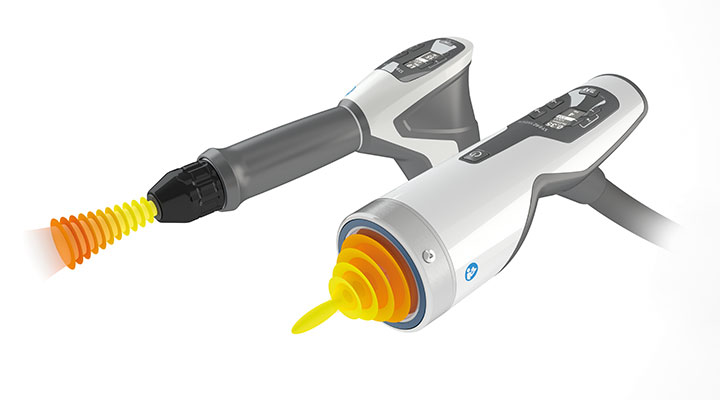
Shock waves are high-energy, audible sound waves characterised by a rapid increase in pressure and a short pulse length. They occur in everyday life — for example, when aircraft break the sound barrier.

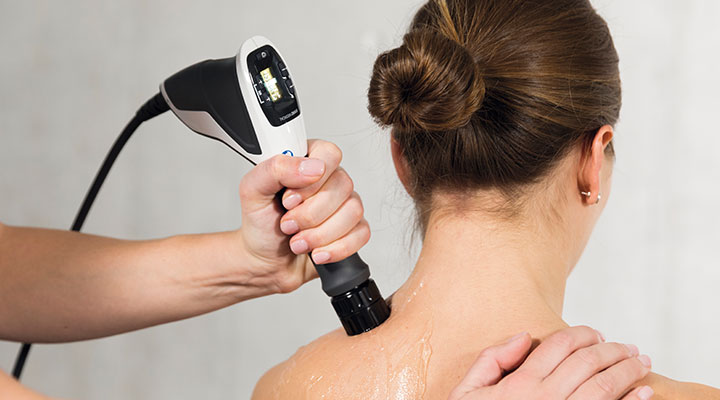
Your provider reviews your medical history in detail, identifies the painful area through hands-on exam, and delivers precisely targeted shock waves — all in an outpatient visit with no downtime.
Shock waves are high-energy, audible sound waves defined by a rapid rise in pressure and a very short pulse duration. A real-world example occurs when an aircraft breaks the sound barrier.
Shock waves have been used in medicine since the 1980s. Their earliest major use was non-surgical treatment of kidney and gall stones, which transformed care for these conditions. Soon after, shock waves were also applied to poorly healing bone fractures (known as pseudarthroses).
As research expanded, clinicians discovered that shock waves could also help treat many painful conditions of the musculoskeletal system. Since the early 1990s, this use has grown significantly and has proven valuable not only in everyday orthopedics, but also in high-level sports medicine.
There are two main types of shock waves: radial and focused. Radial shock waves spread outward through the tissue with a broader, less intense effect and are commonly used for more superficial structures such as muscles and tendons. Focused shock waves concentrate energy at a specific point, allowing for a deeper and more precise treatment approach, and are often used for deeper conditions or calcium deposits.
Shock wave therapy offers several potential benefits, including pain relief, faster recovery, reduced inflammation, improved circulation, and better mobility in the treated area. It is also generally well tolerated, with minimal side effects for most patients.
Today, shock wave therapy is commonly used for orthopedic conditions such as frozen shoulder, tennis elbow, Achilles tendon pain, patellar tendon pain (jumper's knee), and heel pain from plantar fasciitis. Depending on the diagnosis, clinicians may use focused shock waves, radial shock waves, or a combination of both.
Shock wave therapy can effectively treat a variety of musculoskeletal conditions affecting different areas of the body.

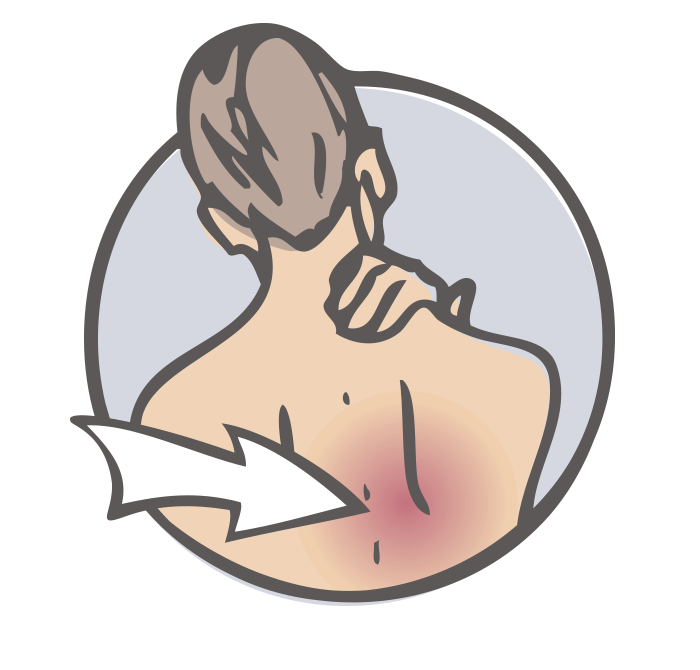
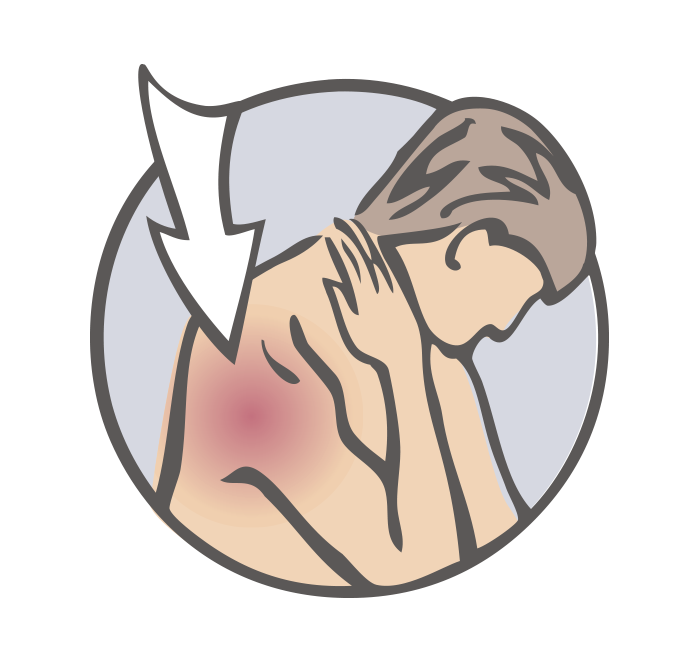

A medical professional begins with a detailed medical history to understand your symptoms, how they started, and what may be contributing. They will also identify the painful area through a hands-on exam (palpation).
Treatment is performed in the clinic on an outpatient basis, so you can typically leave right afterward. During the session, you will sit or lie comfortably. Before starting, the treatment area is usually located as precisely as possible using ultrasound, X-ray, or palpation.
At the start of the session, ultrasound gel is applied to the skin to help transmit the shock waves efficiently. The medical professional then uses the device handpiece to deliver shock waves directly to the targeted area. Depending on the condition and the system used, approximately 1,500 to 2,000 shock waves may be delivered per session.
Good to know: ESWT is a non-invasive option in pain therapy, meaning the shock waves pass through the skin and soft tissue without damaging them.
The Achillodynia is a pain syndrome of the Achilles tendon, which begins at the calf muscles and infringes on the heel bone. The cause is a local, mostly chronic overuse of the Achilles tendon.
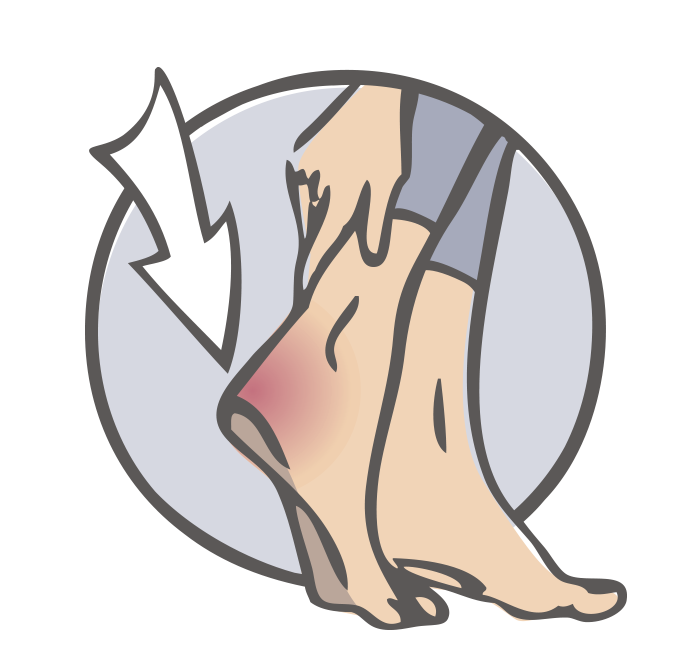
The heel spur is a bony spur on the heel bone, which can occur on the soles of either rear or bottom. The lower heel spur is occasionally associated with inflammation of the Plantar tendon on the soles, which is called Plantar Fasciitis.
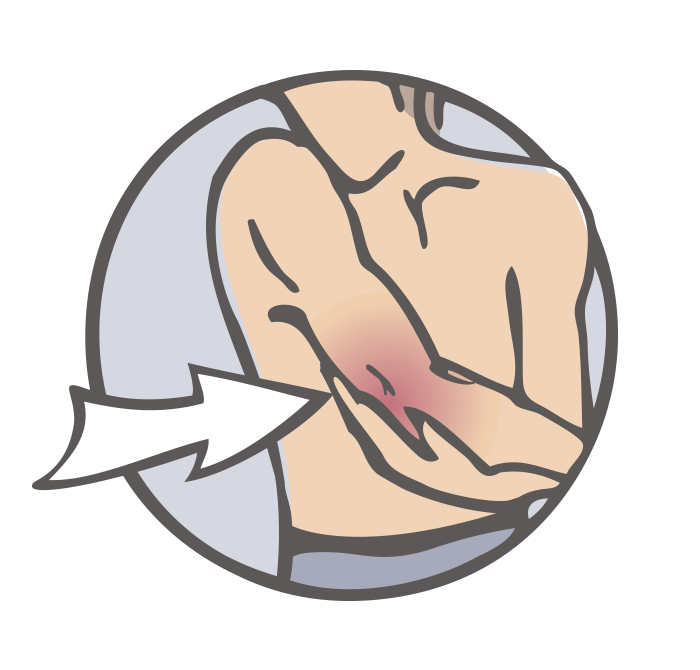
Epicondylitis is a painful irritation of the tendons of forearm muscles. Typical is a circumscribed tenderness over the muscle attachment at the elbow and pain precipitated or amplified upon actuation of these muscles. Depending on the location the epicondylitis is called tennis or golfer's elbow.
The inflammation of the patellar tendon causes pain at the bottom of the kneecap — mostly on one leg. Patellar Tendonitis often occurs in runners and athletes who do repetitive jumping or landing movements.
Tibial Stress Syndrome is a painful sensation in the shins that usually occurs after exercise. One reason may be overused muscles. Shin splints most commonly occur in sports with quick direction changes, or in untrained athletes after weight gain or a change of footwear.
Trigger points are hypersensitive points in a palpable tense bundle of muscle fibers. They cause pain during movements — sometimes even at rest. A typical characteristic of trigger points is that they radiate pain to surrounding areas, making them a common contributor to lower back pain and stiffness.
In Calcific Tendonitis, calcareous deposits are found in tendons and tendon insertions — hence also called calcareous shoulder. Most likely the supraspinatus tendon is affected. Acute inflammatory disorders occur caused by reduced blood flow, often felt at night or at rest.
Piriformis syndrome occurs when the deep gluteal (piriformis) muscle becomes tight or irritated, sometimes causing buttock pain that may radiate down the leg. Symptoms often worsen with prolonged sitting, stairs, or activity. Shock wave therapy supports circulation and tissue recovery in the affected area to help reduce pain and improve mobility.
Hip bursitis is inflammation of the bursa on the outside of the hip, often causing tenderness and pain that worsens with walking, stairs, or lying on the affected side. Shock wave therapy helps support healing by improving blood flow and calming chronic irritation in the bursa region and nearby tendon attachments.